- 0294-2453392
- info@bhs.org.in
- Badgoan Road, Udaipur - 313001

Nutrition
Phulwaris
Diets in the region we serve comprise mainly cereals with small amounts of pulses, vegetables and negligible amounts of oils or foods of animal origin. There has also been a growing use of unhealthy but ready-to-eat packaged food, such as chips, for young children.
In a 2013 study focused on food scarcity and nutrition, BHS found that a mere 28% of children aged 6 months to 5 years had ingested any milk in the last 24 hours. Less than 10% of these children had consumed essential food items like daliya (porridge), rice, pulses, vegetables, or fruits. The situation among mothers was equally concerning, with fewer than half (49%) having consumed pulses and less than two-thirds (65%) having included vegetables in their diet over the past 24 hours.
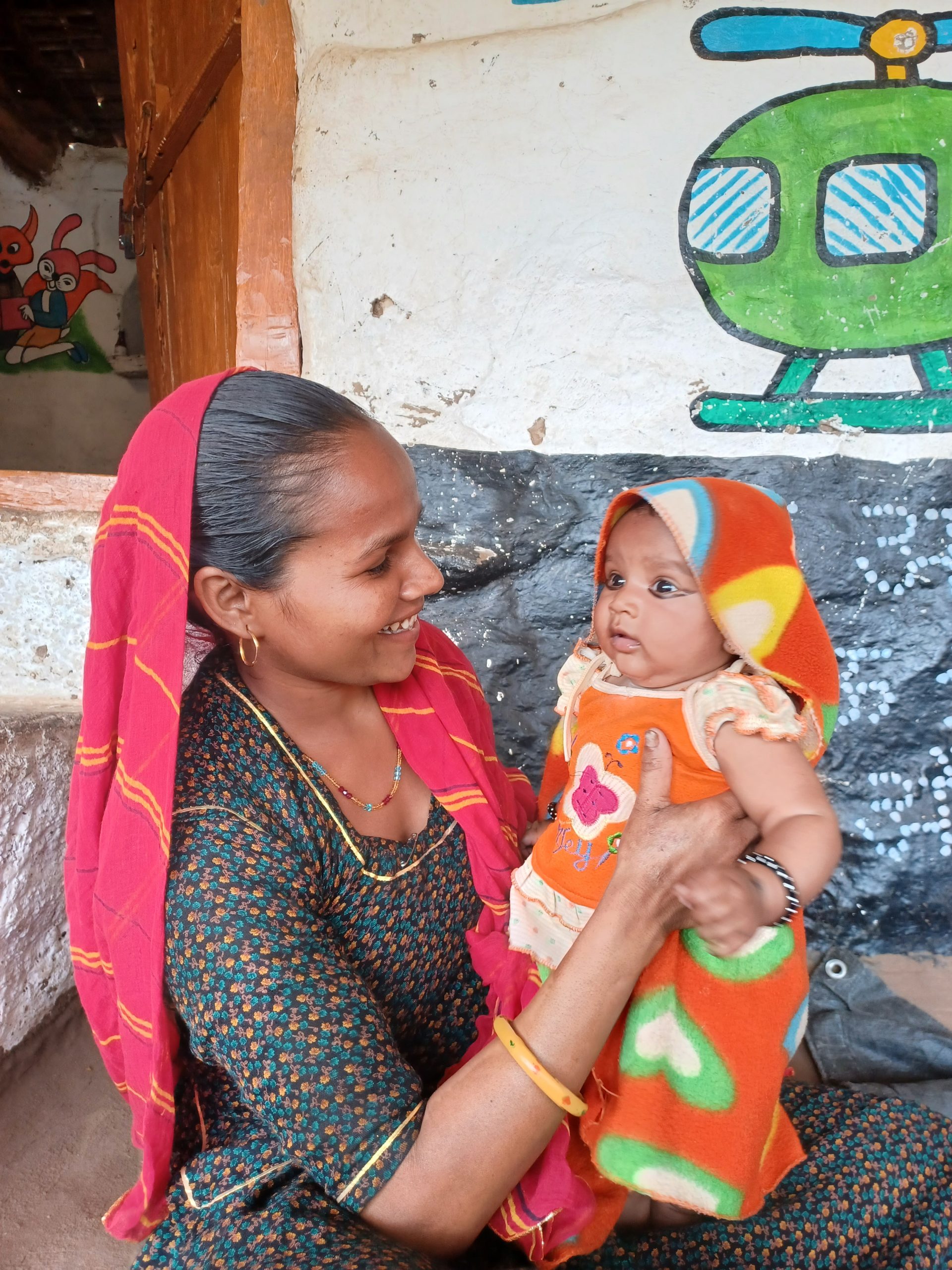
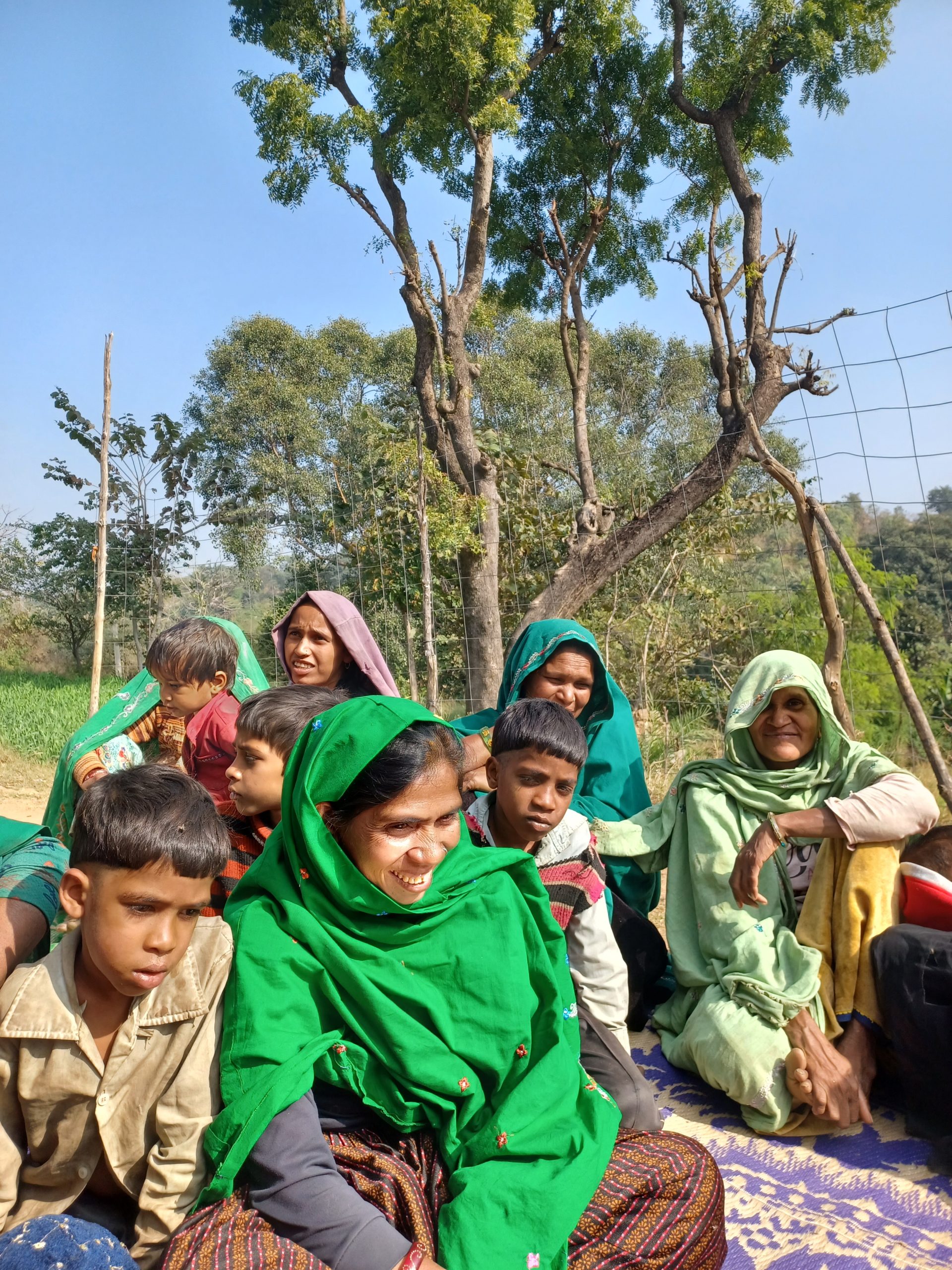
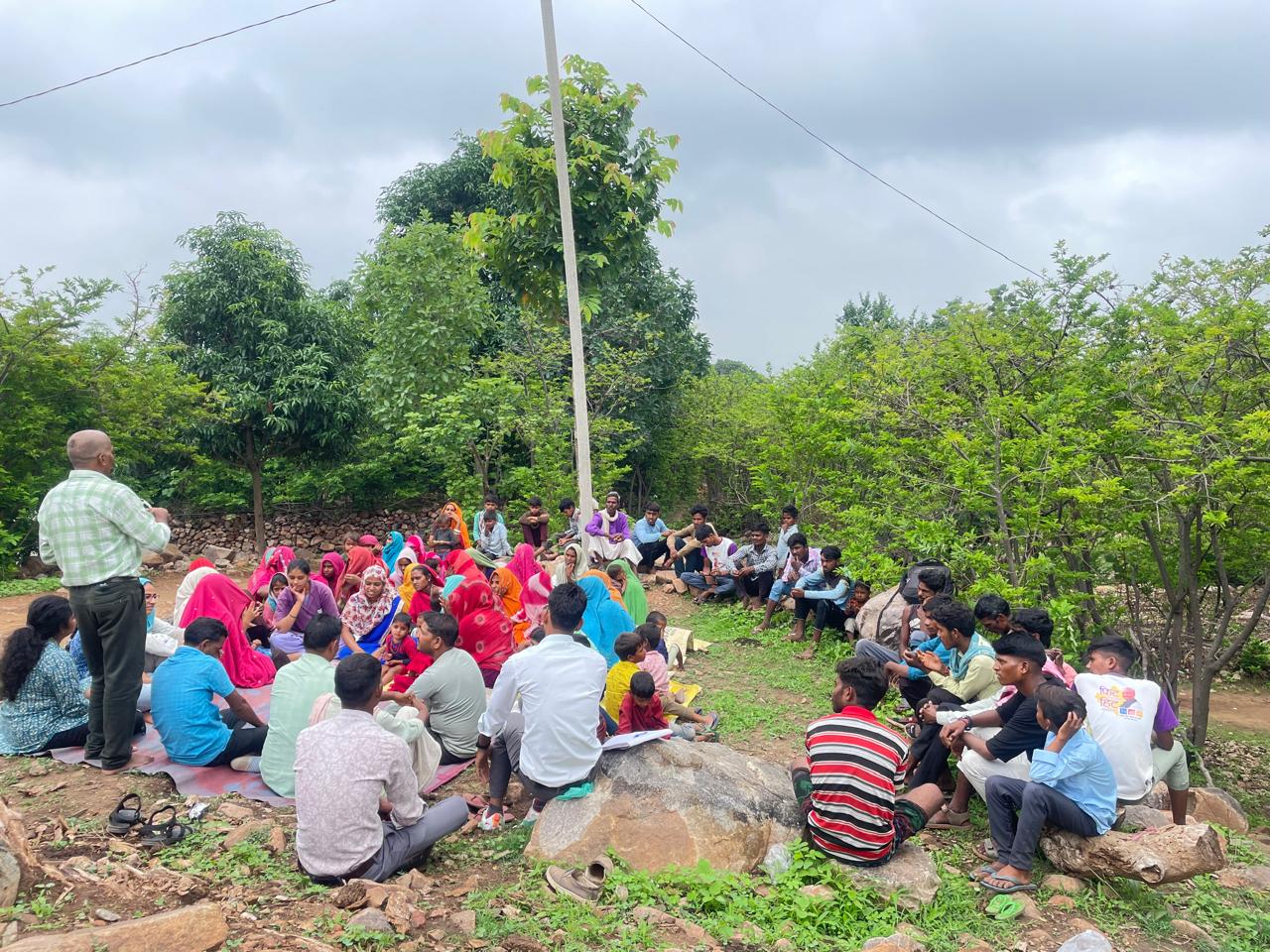
Mothers, tasked with managing homes and farms in the absence of men who migrate, have little time and energy to take care of their health and well-being, or that of their children. All these factors contribute to high levels of malnutrition among children and women; a study conducted by BHS in the region showed that 33% children under 3 are wasted with 9% being severely wasted; as many as 55% of their mothers are also undernourished
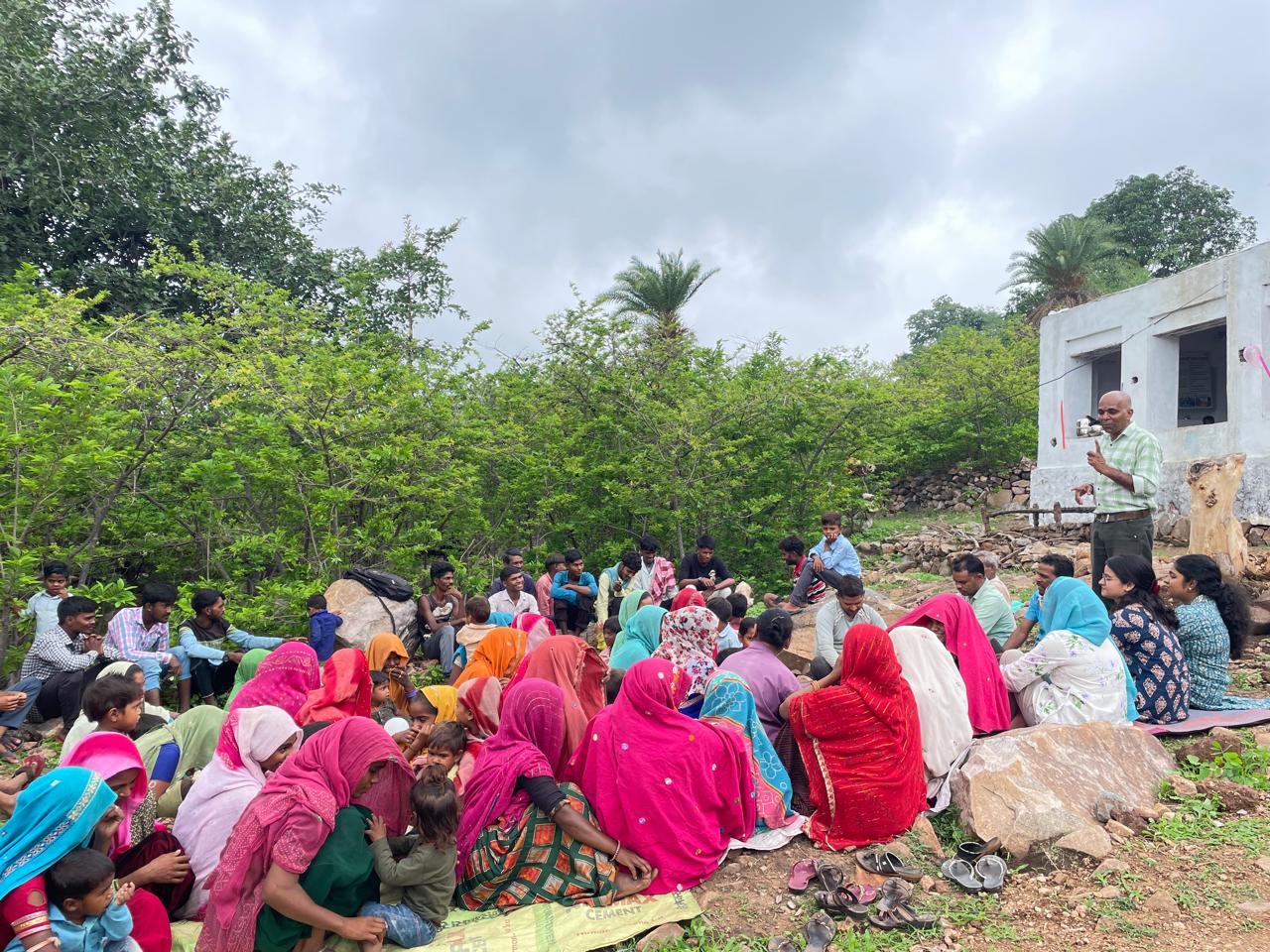
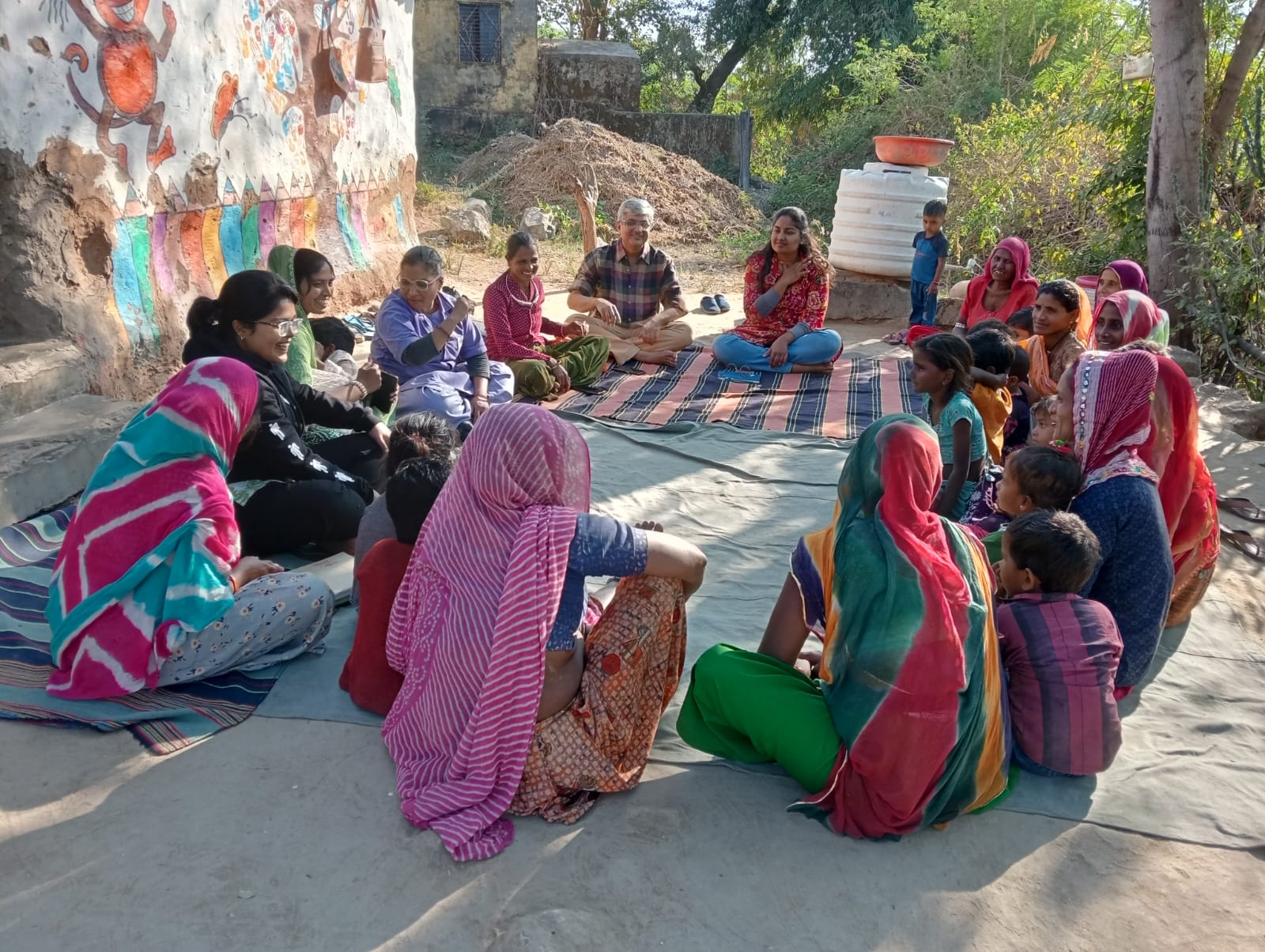
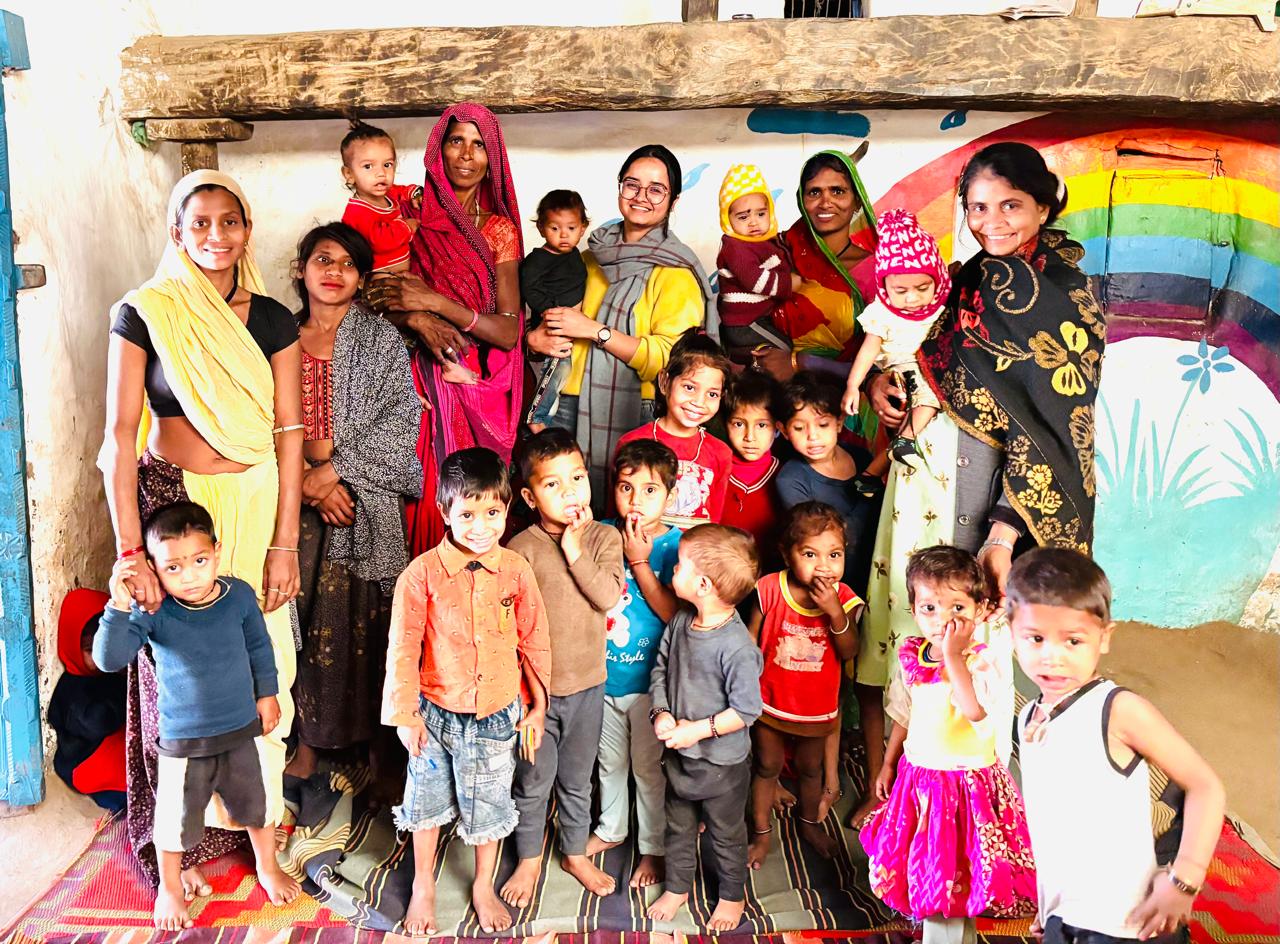
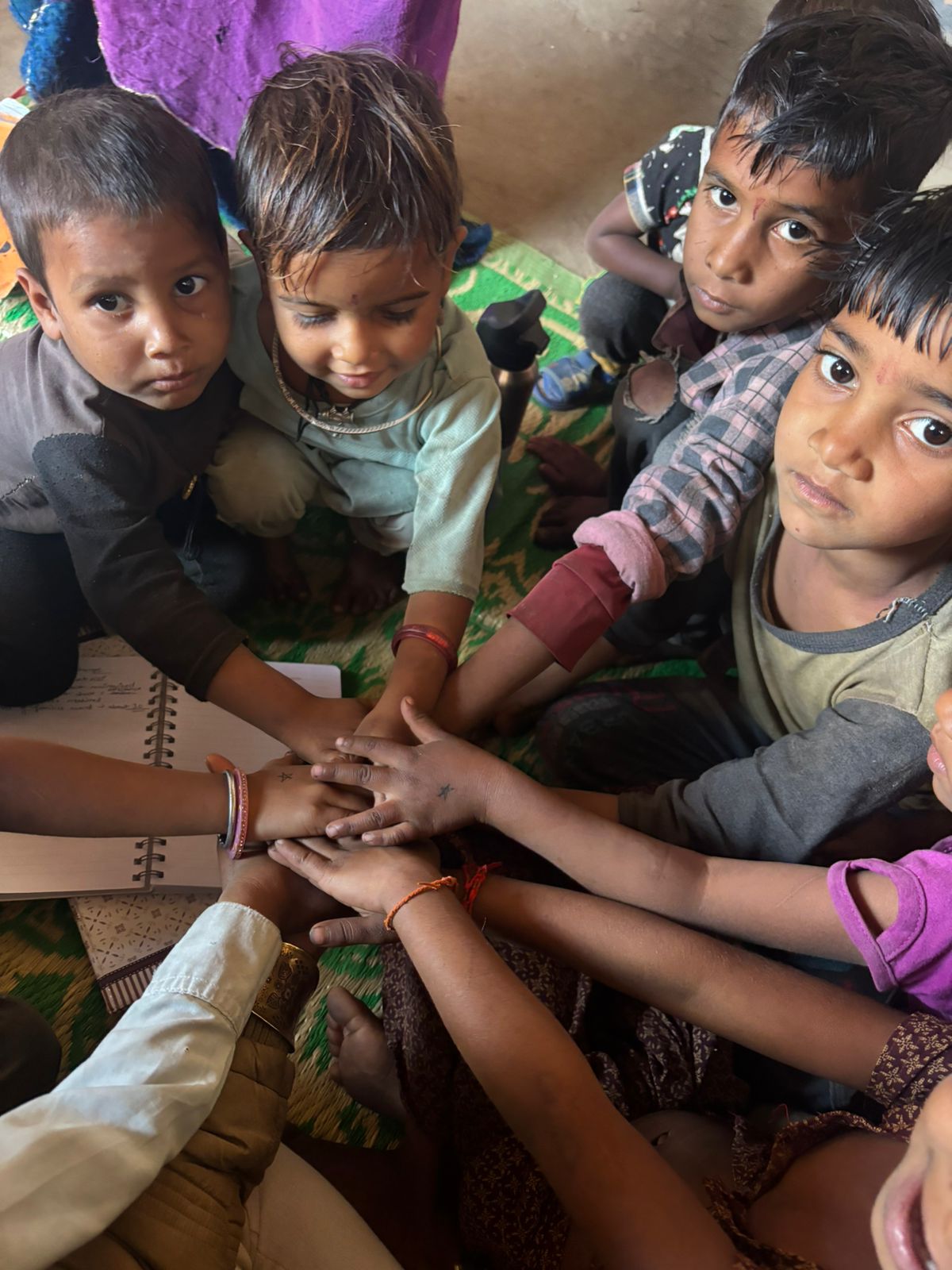
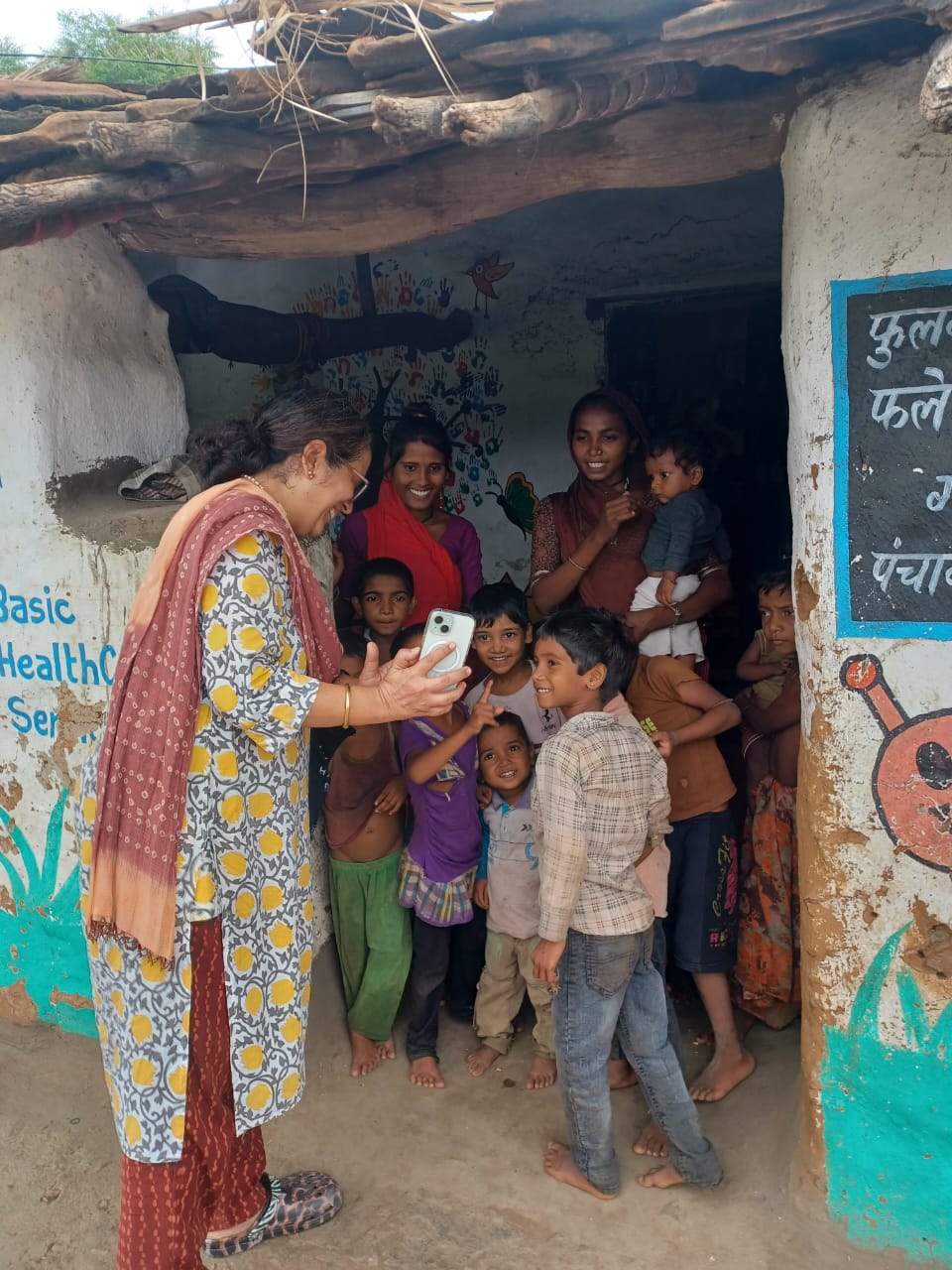
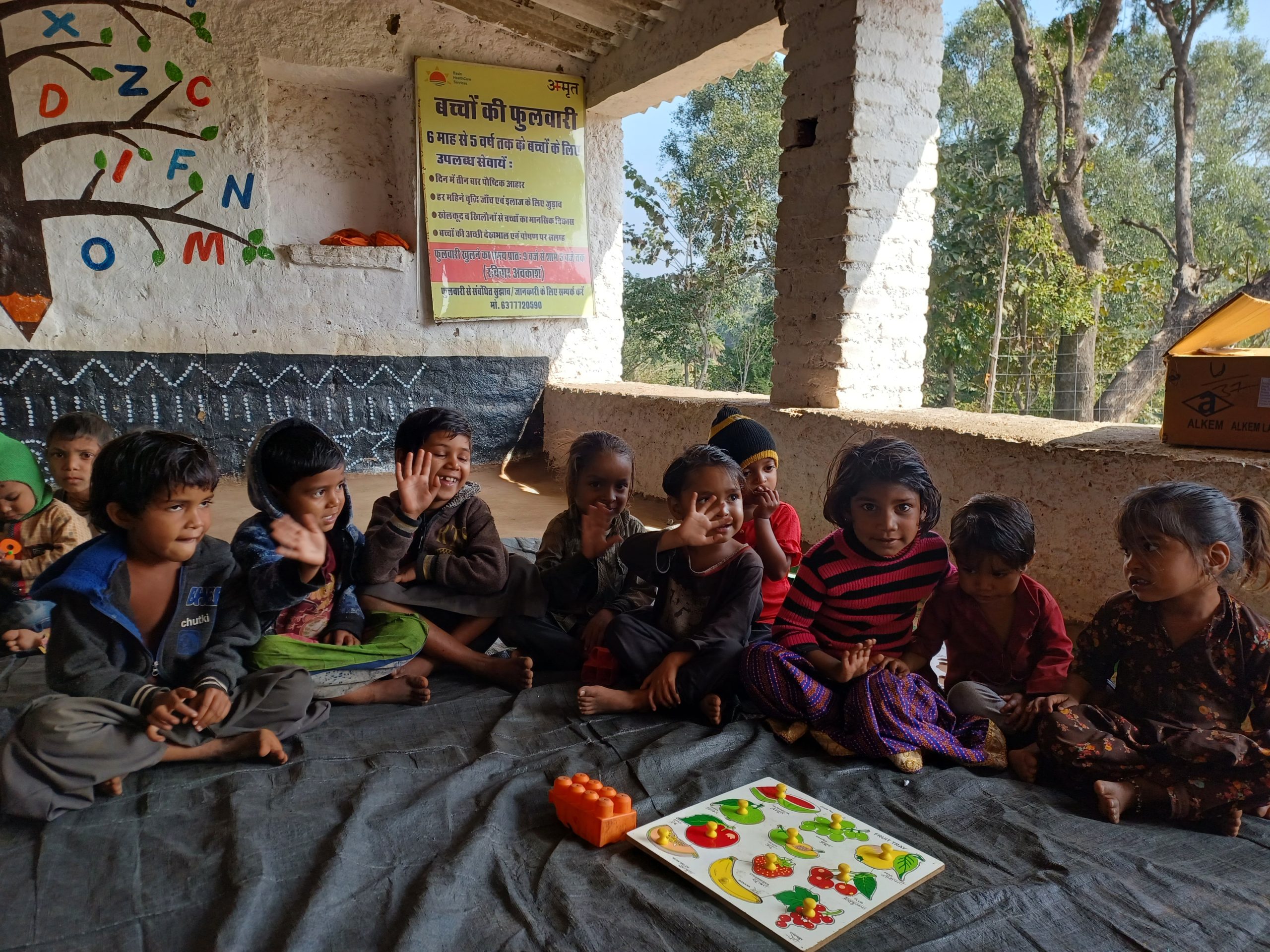
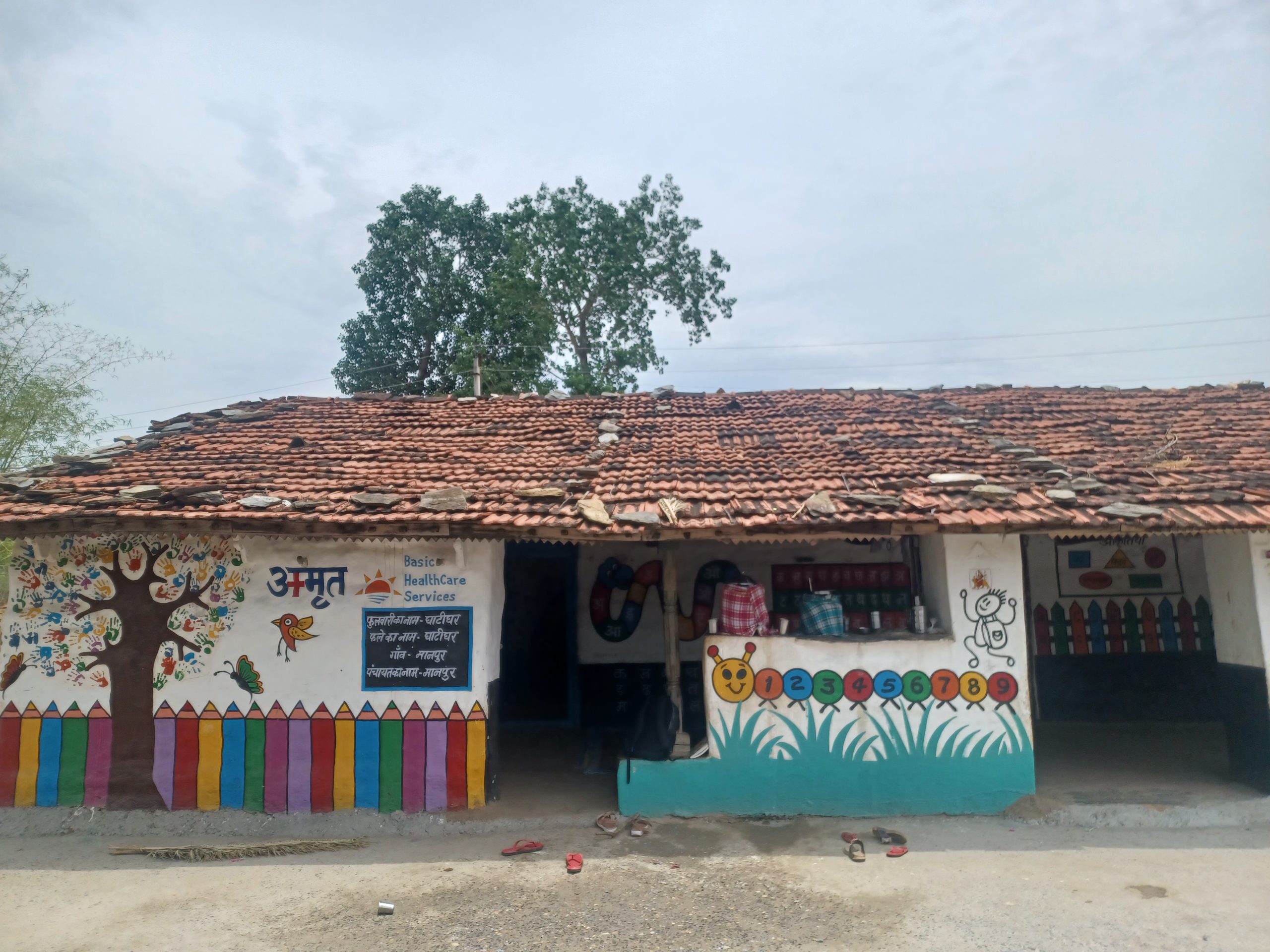
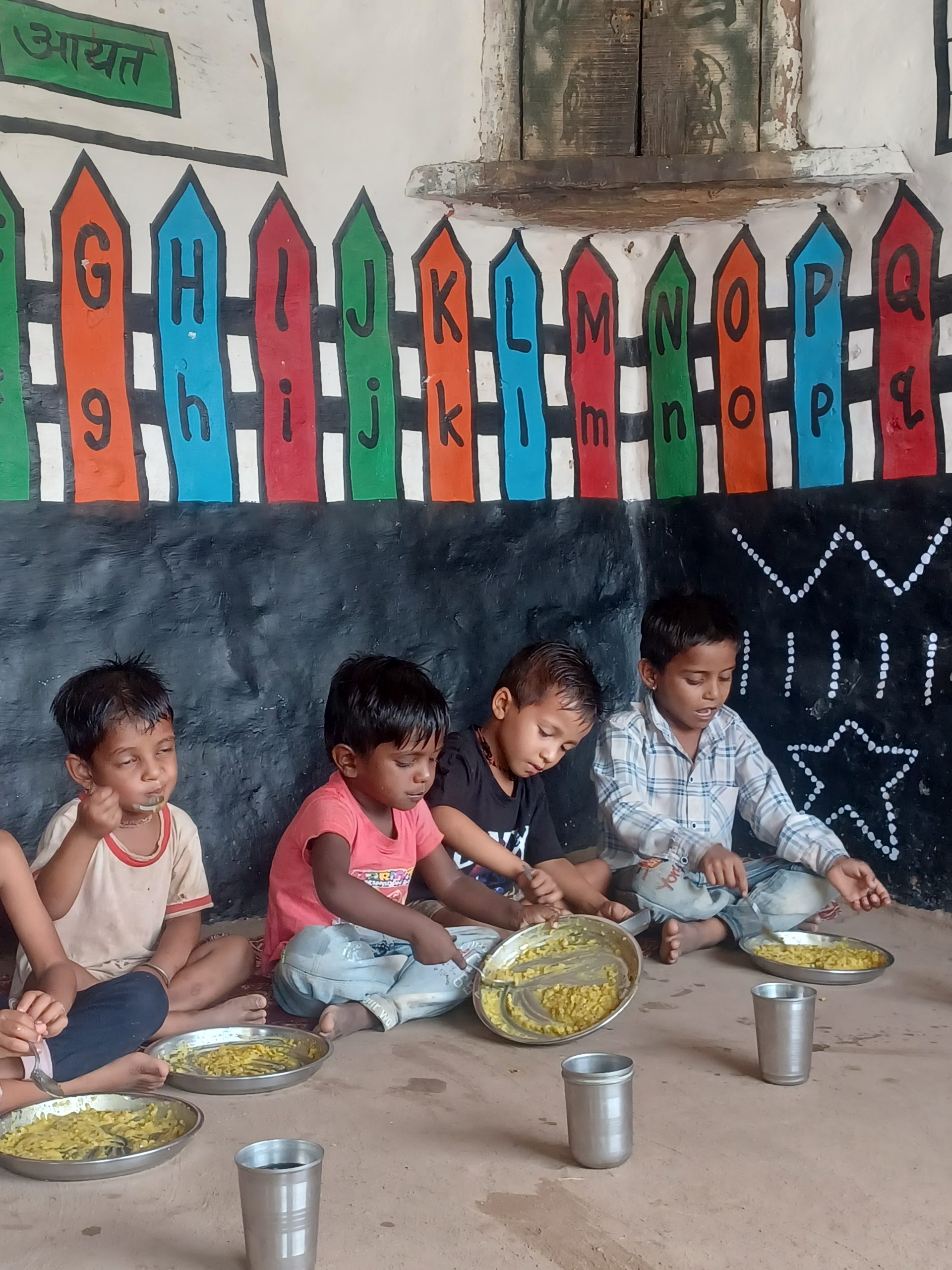
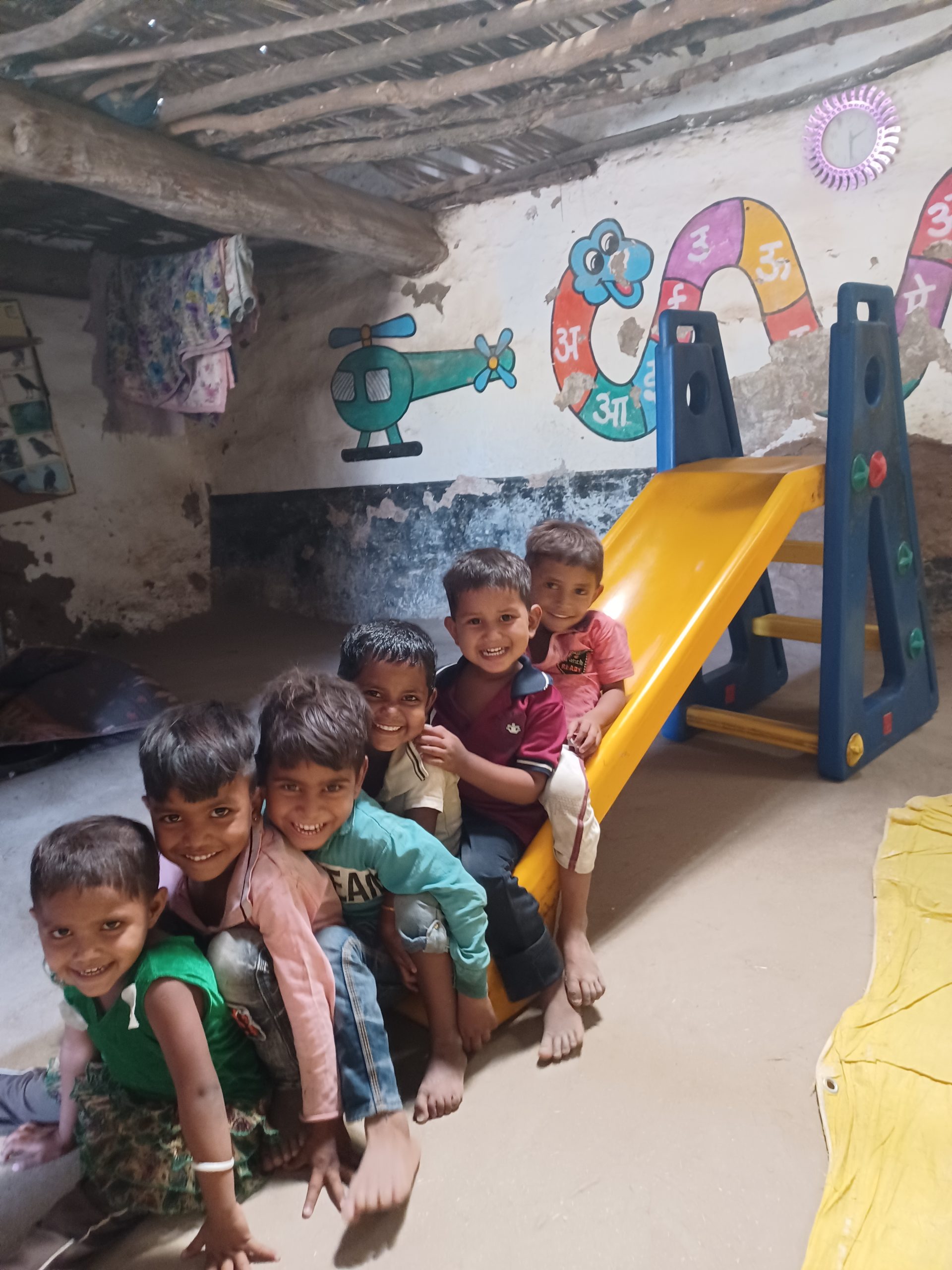
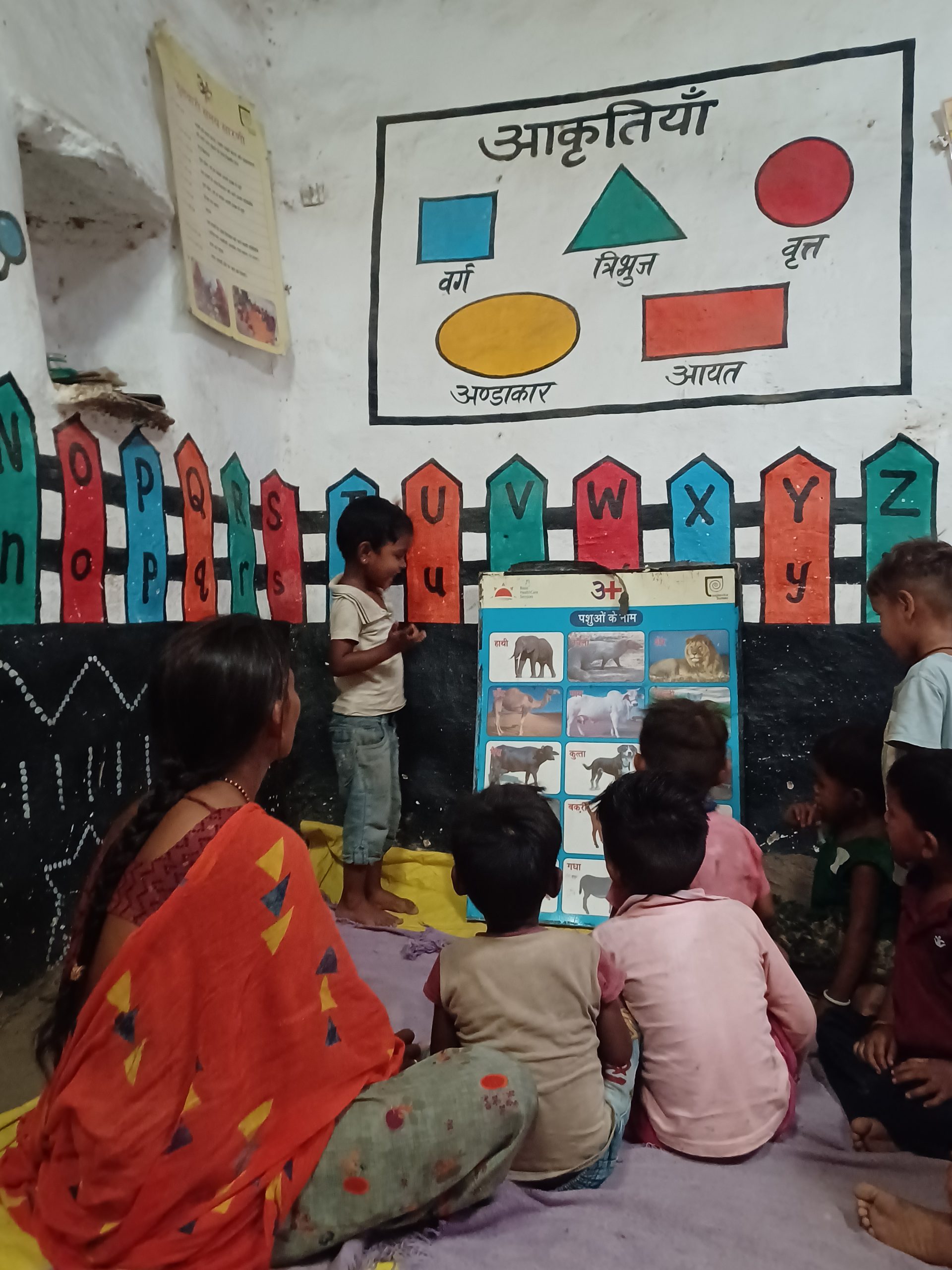
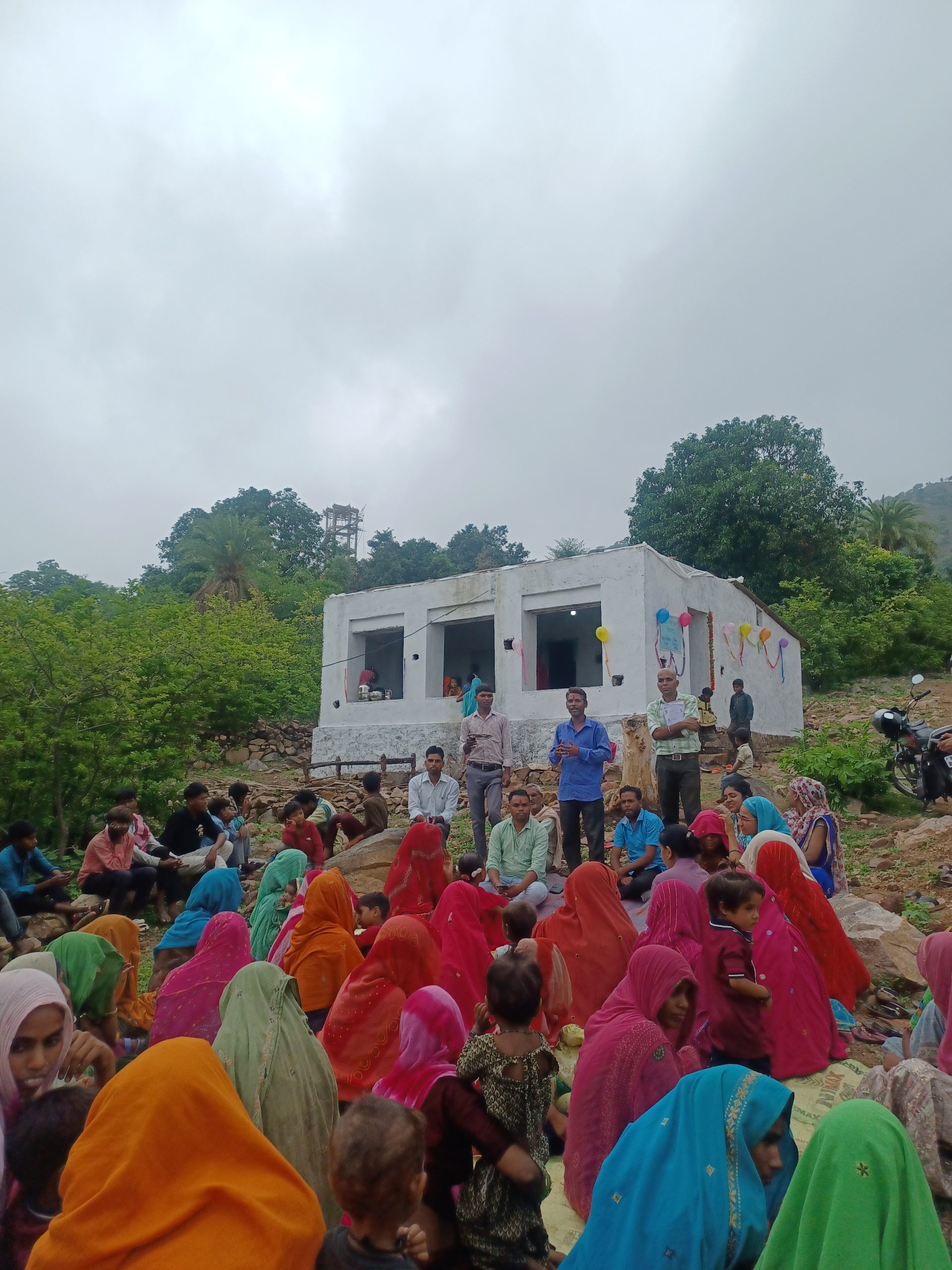
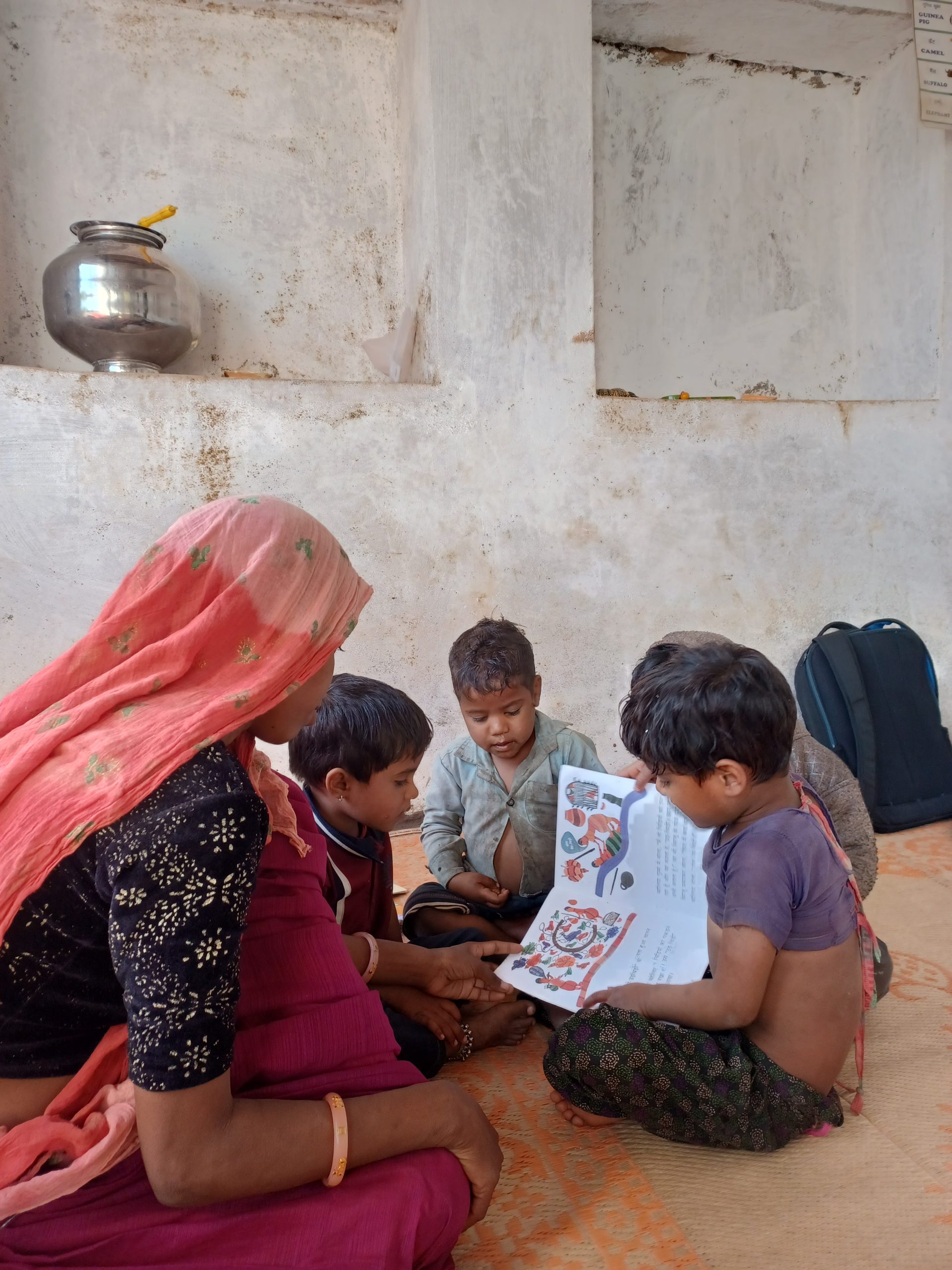
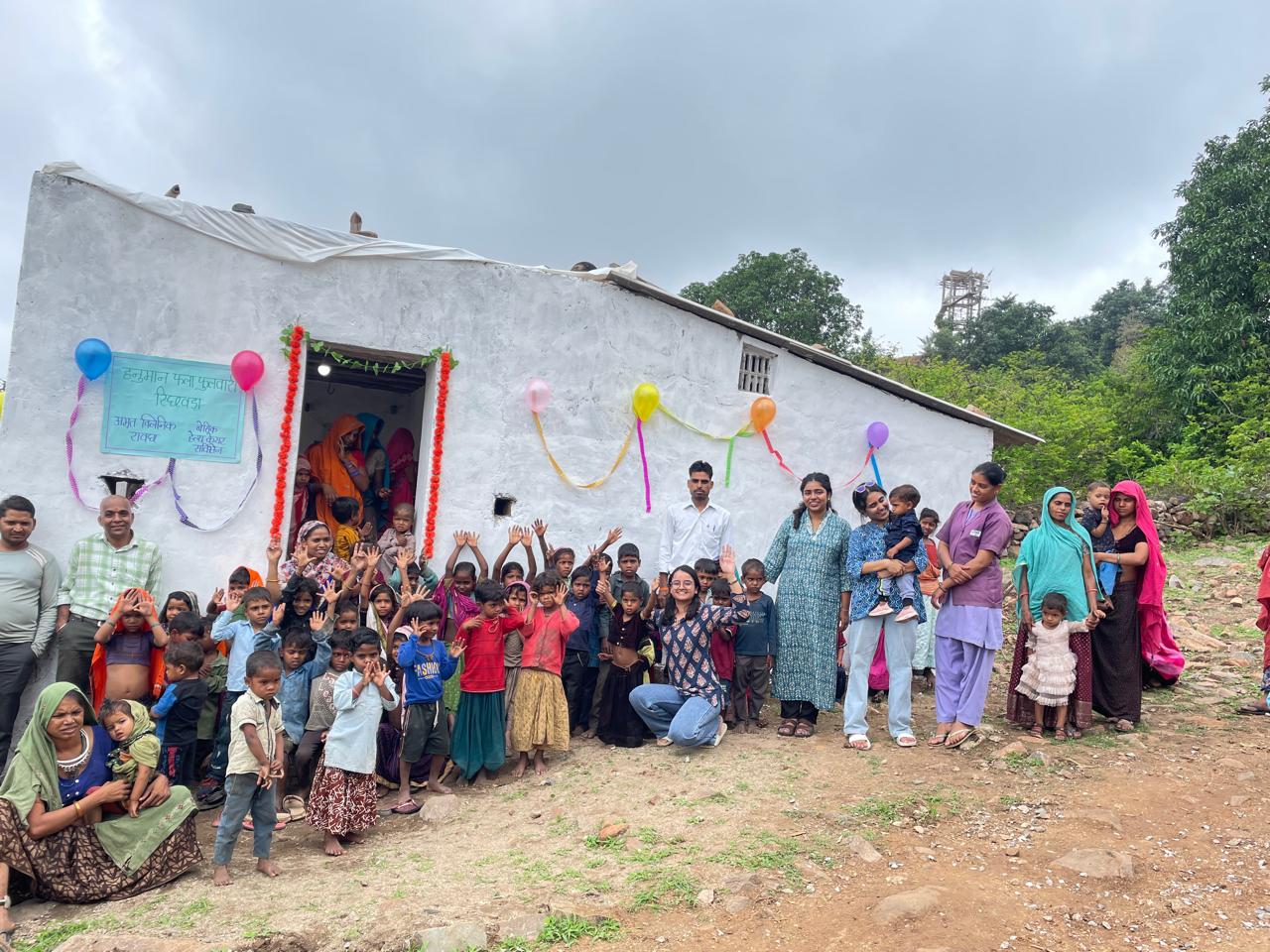
Faced with these high levels of child malnutrition and food scarcity, BHS also designed and manage day-care-centres called Phulwaris for children under-five years of age. These centers are managed by women from the villages, and provide nutrition, early child development and healthcare.
The first Phulwari was set-up in 2013. Currently, BHS manage 17 such Phulwaris across Salumbar and Gogunda clusters, extending childcare to children from some of the most vulnerable families, and are helping to break the vicious cycle of intergenerational malnutrition.
The Phulwaris have been successful in reducing malnutrition in families while the prevalence of wasting in children under 5 years enrolled in the phulwaris has reduced from 25% to 9.5%.